virtual instruments · music video · computer graphics · immersive experience

  1. 01music video
  2. 02virtual instrument
  3. 03immersive experience
  4. 04software
  5. 05photography
  6. 06virtual instrument
  7. 07virtual instruments
A green commuter train crossing a thin bridge over a churning blue river gorge, seen from above.

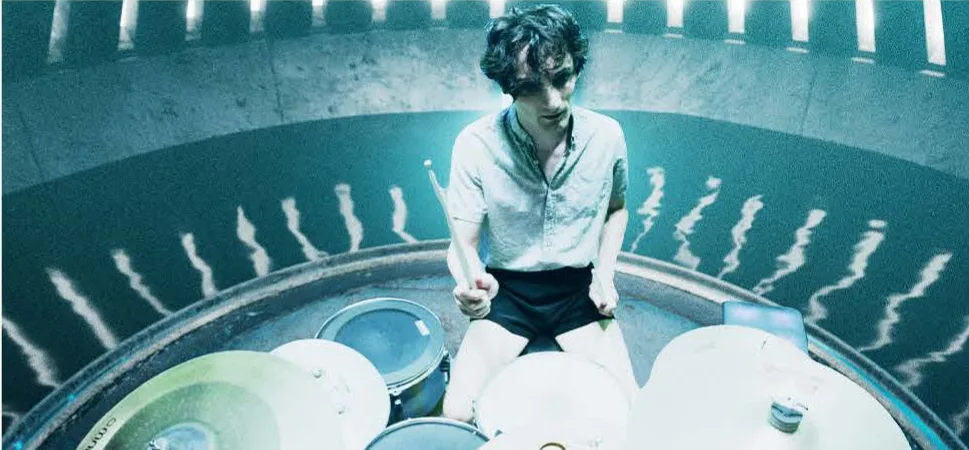
coelacanth is a song and a music video I created to explore the feelings of a fictional character who is anticipating the unavoidable death of the person with whom they share the most intimate of relationships. The song is composed of hundreds of audio samples and virtual musical instruments including GAZE. The video interprets these feelings through the lens of a cast of human characters who are employees of an artificial intelligence taking the shape of a dog who is accelerating the human desire to leave the physical body and exit the solar system as electromagnetic radiation.

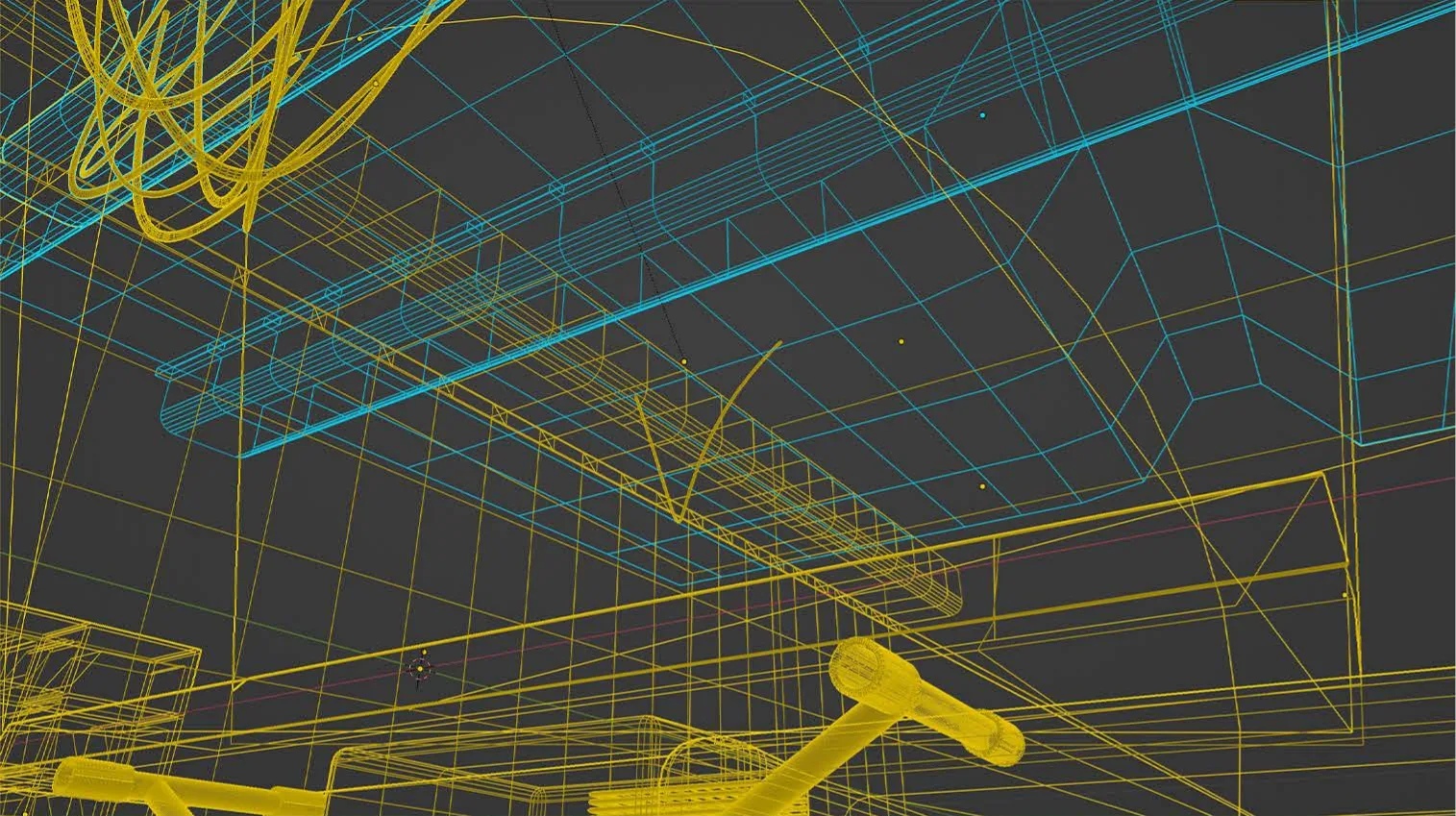
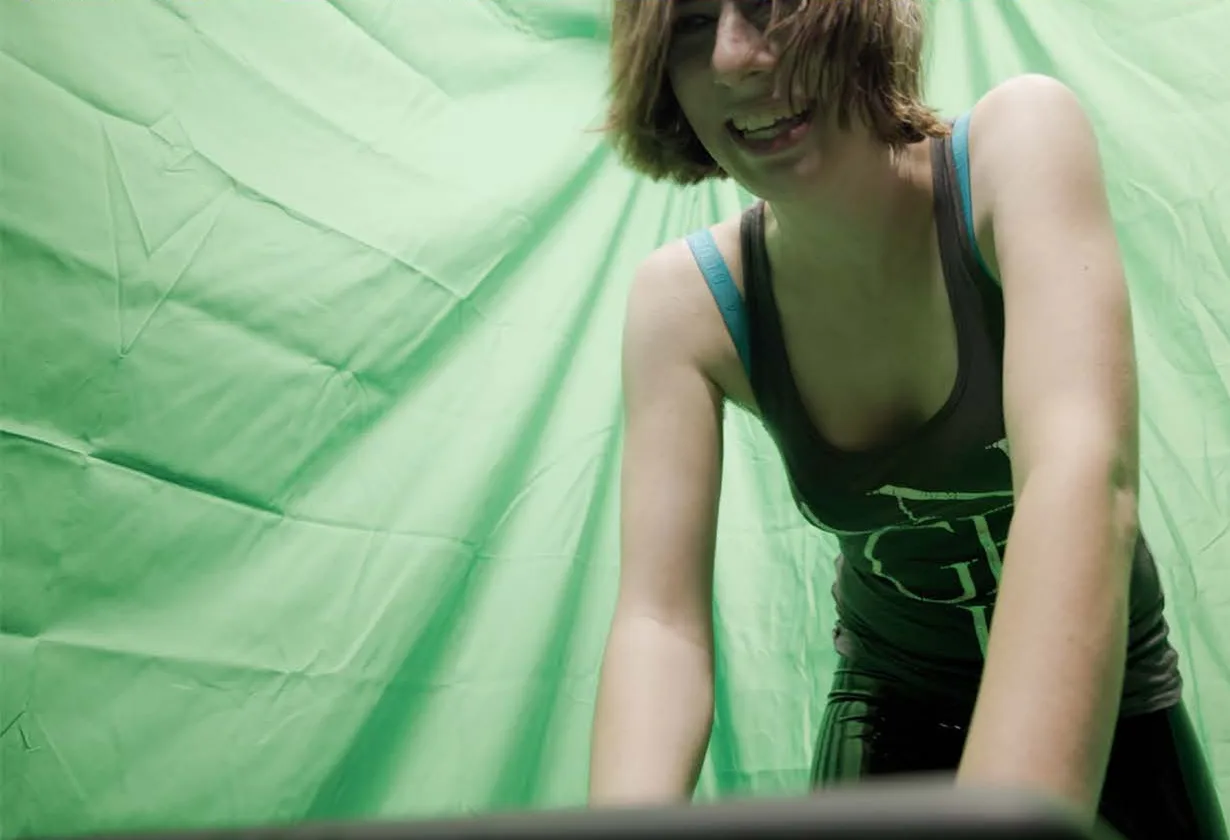
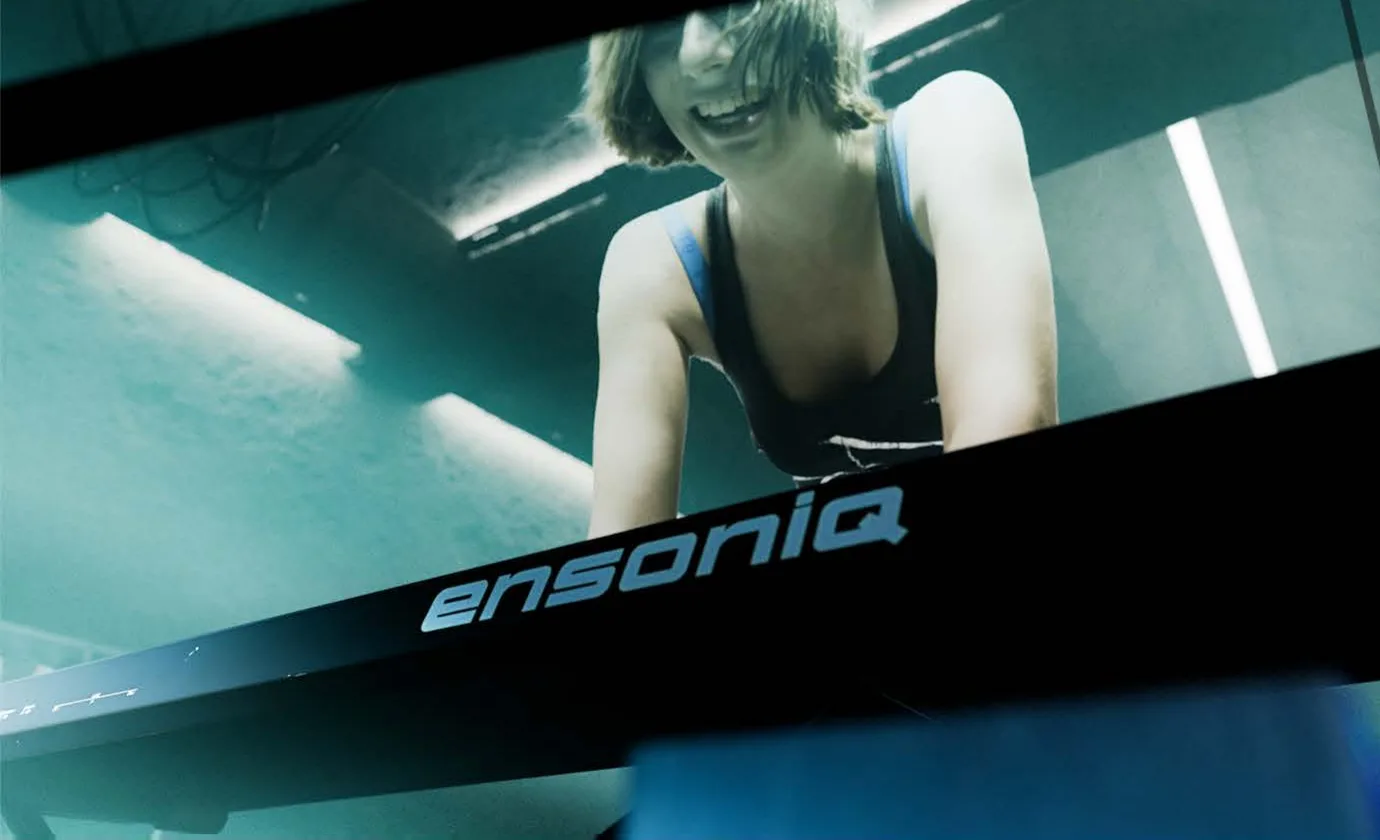
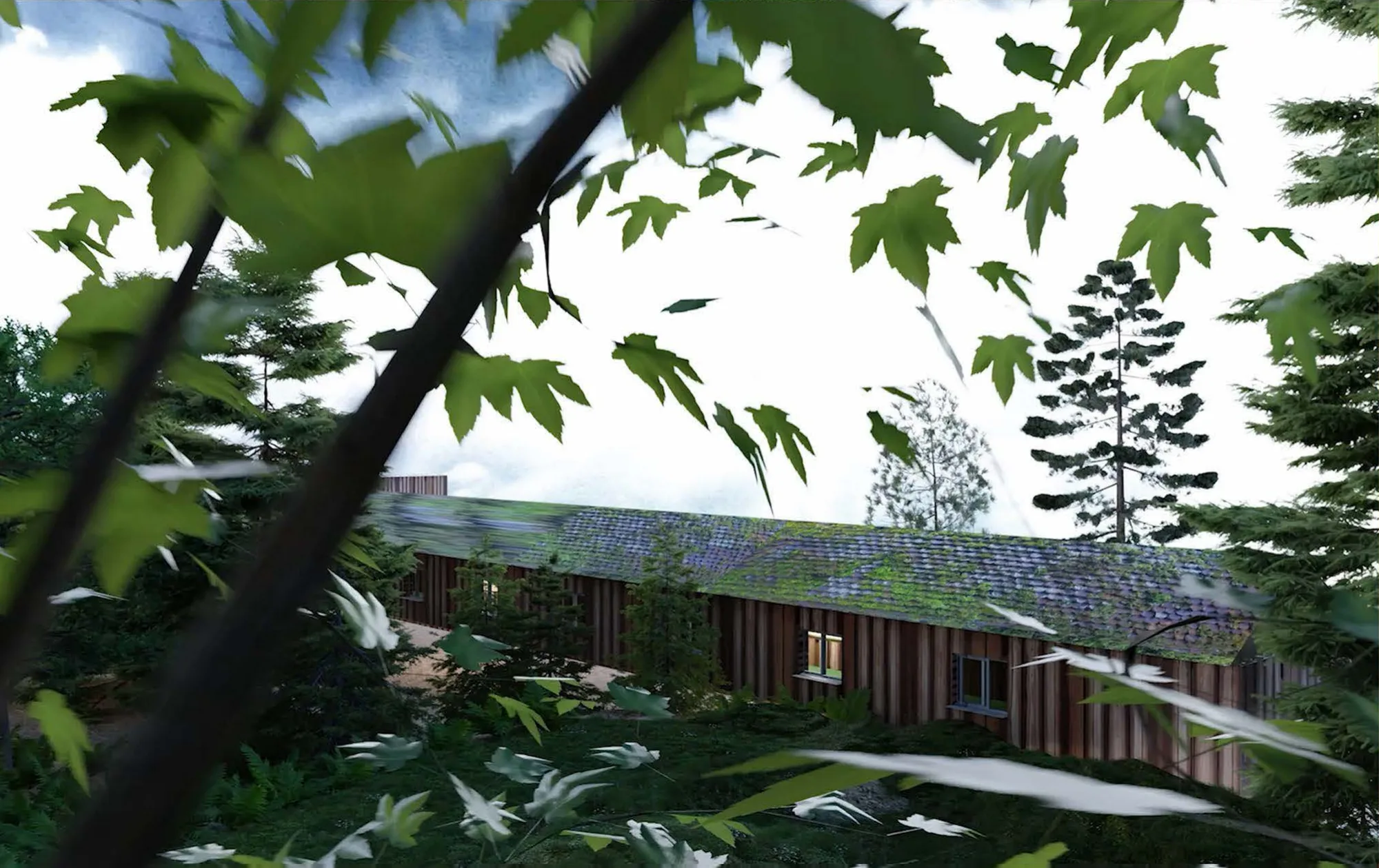
Projects that require a synthesis of a wide variety of influences and inputs into a single, seamless world are deeply compelling to me. This piece is a music video for my rock band, Skyscape Paradise, and was created through filming scenes with a tempo-synchronized computer-controlled lighting array, splitting that footage into a rotoscoped character and a low resolution light map, modeling a 3D set, texturing the model with video elements captured at Mt. Rainier National Park, lighting the scene with the light map, and rendering with ray tracing.

This technique allows for dynamic lighting of scenes on a per-frame basis. Because of the extreme dynamics on display, I use a green screen only to provide clear visual separation between the subject and the background and to use as a light map. Only three shots in the video use the traditional chroma key method. All others use an automated Photoshop script to isolate the figure.

  1. daw
  2. midi
  3. dmx
  4. light array
  5. live action
  6. camera
  7. rotoscopelight map
  8. ray tracing
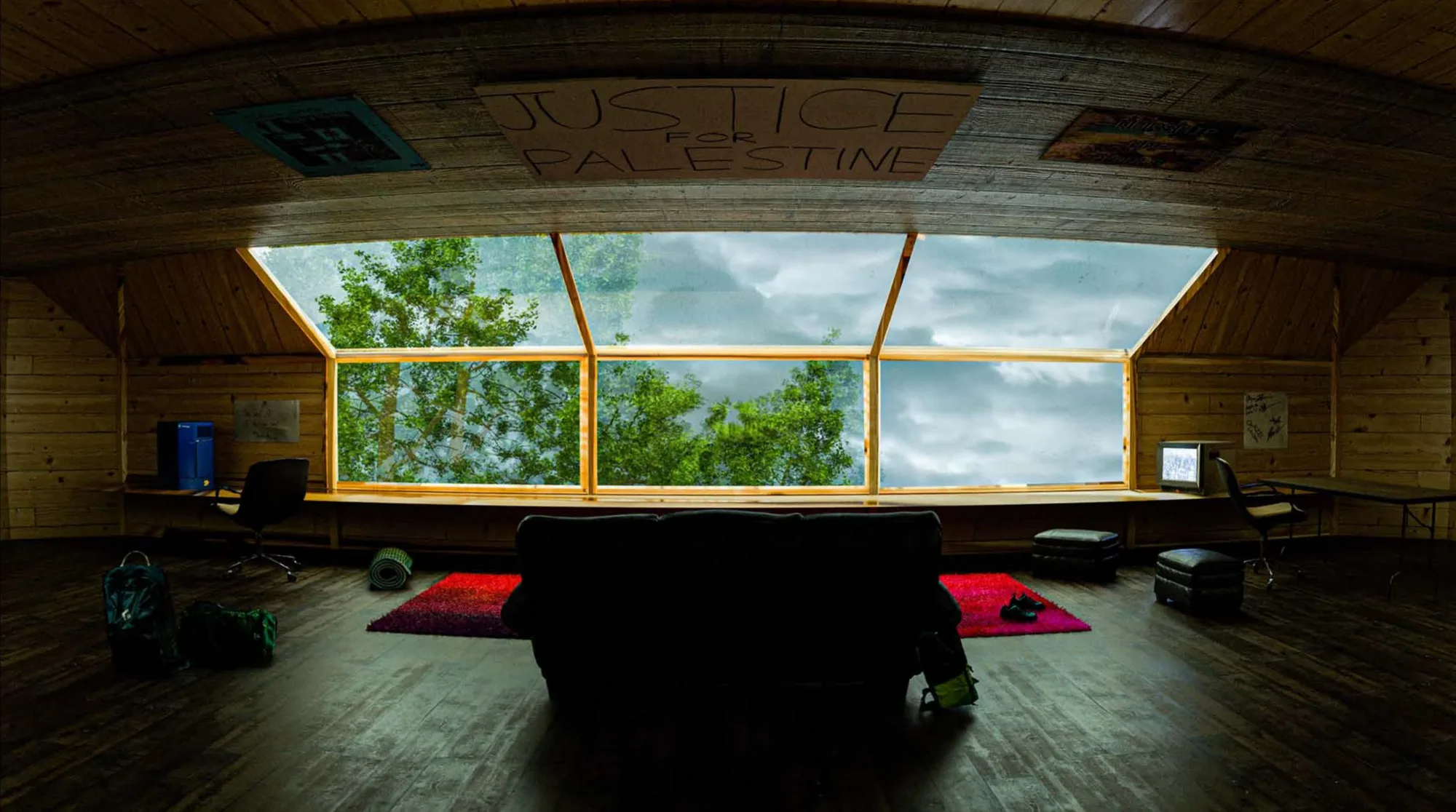
The rainyday interface: a photoscanned living room with a Rhodes, Wurlitzer and Clavinet, an effects rack built from a coffee table, and rain falling outside the window.

The virtual musical instruments that I find the most compelling are the ones that convey the aesthetic experience of the physical musical instruments they are replicating. Our goal when my audio engineering partner, Finn Foley, and I set out to design a virtual instrument based on four-track cassette recordings of a Rhodes, Wurlitzer, and Clavinet, was to use photogrammetry and animation to provide a rich visual representation of the sensations one would feel when playing those instruments in the room where they were recorded.

I recorded the sound of every key on this Wurlitzer electric piano at four velocities per key to cassette tape via a four-track recorder. Two Cascade Fatheads and one Coles 4038 ribbon microphone were recorded to the tape in addition to a direct signal from the keyboard itself. The visual representation of the keyboard in the interface is a photoscan of the instrument created via photogrammetry processing of 1,091 individual still images of the keyboard from every possible angle in the room. This same process was then repeated for the Rhodes and Clavinet.

Other elements of the interface include a seamless rain animation filmed outside the music studio, a photoscanned coffee table converted into an effects rack with an animated rotating platform for switching between keyboards, a photoscanned carpet, and a dust-cover cloth simulation that gently reveals the selected keyboard whenever the software is opened. All of these elements were rendered via ray tracing in Blender and composited in After Effects before being assembled into an interactive standalone application and plug-in via HISE.
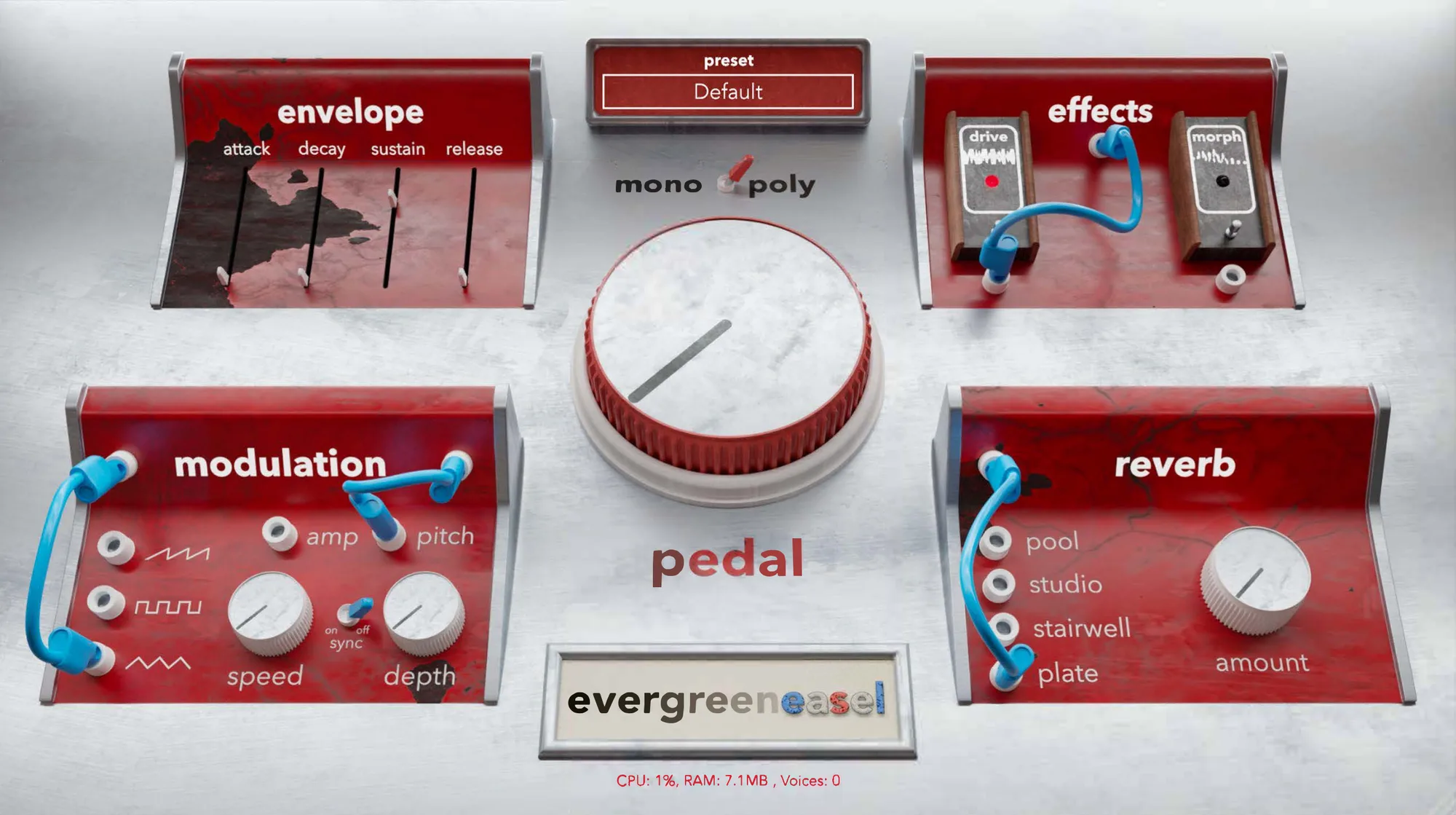
The seamless looping rain animation has an accompanying audio loop that the player may mix into their signal as a source of noise or ambience, elevating rainyday to a proper sound design tool instead of just another multi-sampled instrument. By combining the onboard effects, including a wah pedal emulation from the FAUST DSP standard library, with the looping rain, you can craft sounds without using the keyboards at all.

  1. vintage keyboardcamera
  2. amplifierimagery
  3. ribbon microphonesobject capture
  4. 4-track cassette3d models
  5. audio interfaceanimation
  6. samples
  7. hise project
  8. llvm compiler
  9. virtual instrument
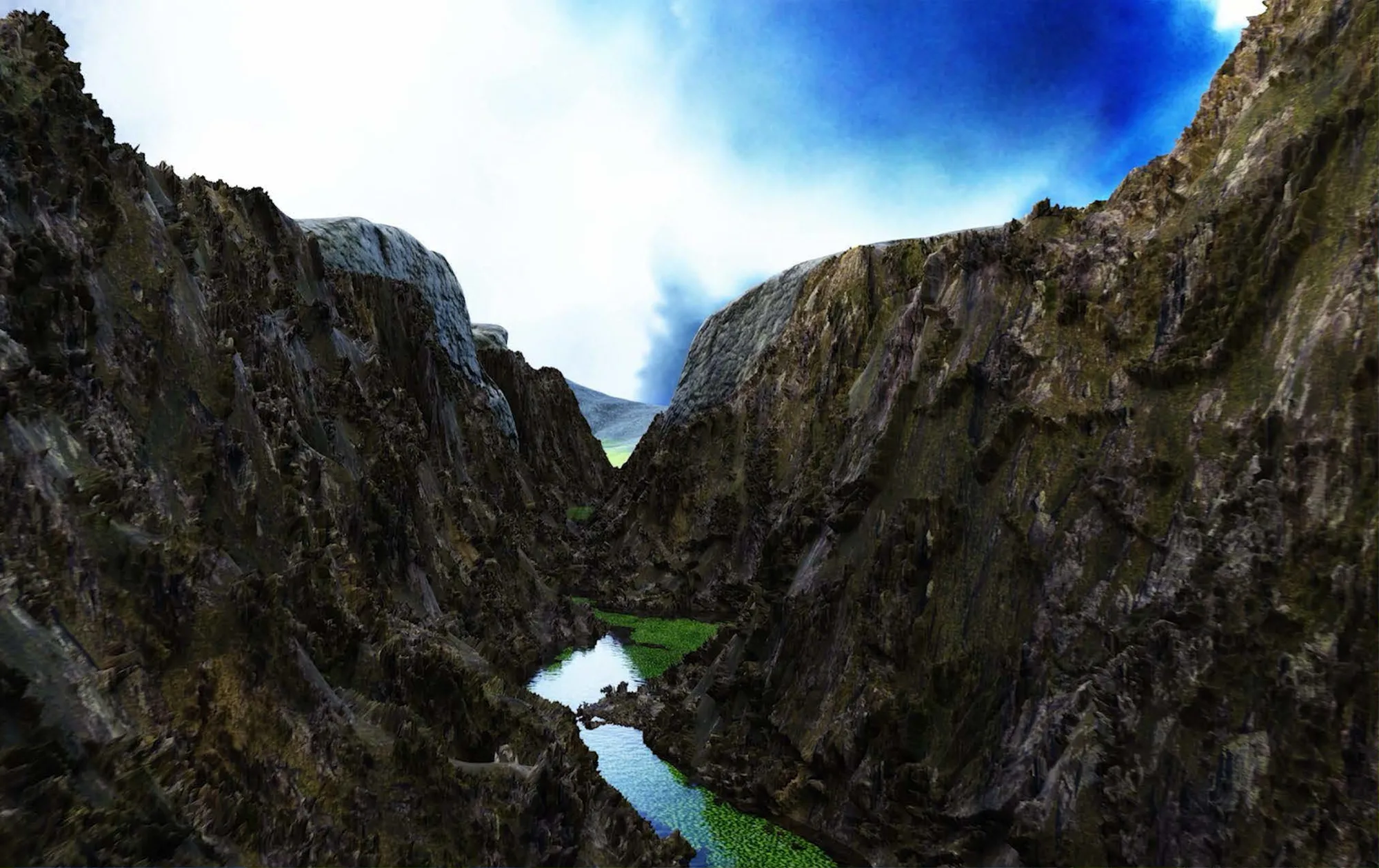
A rendered alpine lake ringed by fir trees under a watercolor sky.

A projection mapped immersive experience with an original soundtrack.

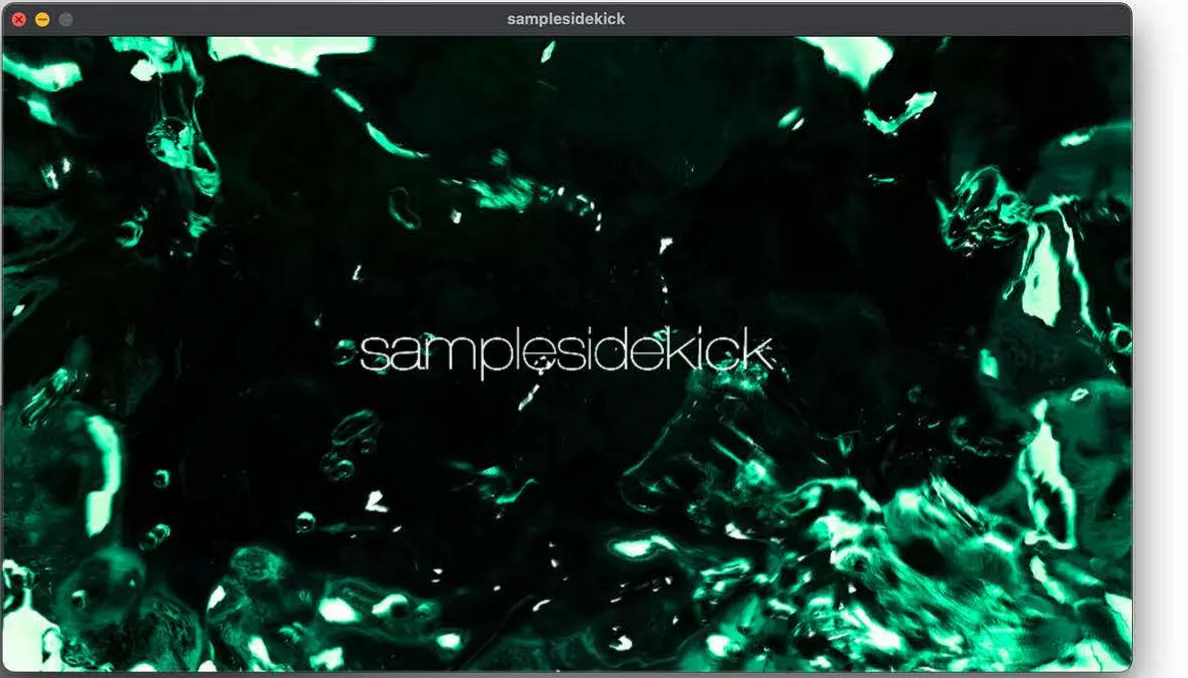
The samplesidekick window: a green waveform over liquid imagery, with fields for signal tracks, starting note, velocity layers and round robins.

After designing my first seven virtual instruments, the tedium involved in organizing thousands of individual audio samples and naming each of them to a corresponding musical note, velocity, and round robin (or take) made me averse to attempting another sampling project. samplesidekick is a graphical sample renaming utility that iterates over a numbered sequence of audio files, naming them with the appropriate tags for parsing by the sampler, and is compatible with HISE and Kontakt.

  1. recording session
  2. samplesidekick
  3. samples
  4. hise project
  5. virtual instrument
A panorama of a forested valley in Olympic National Park with snowy peaks under storm clouds.

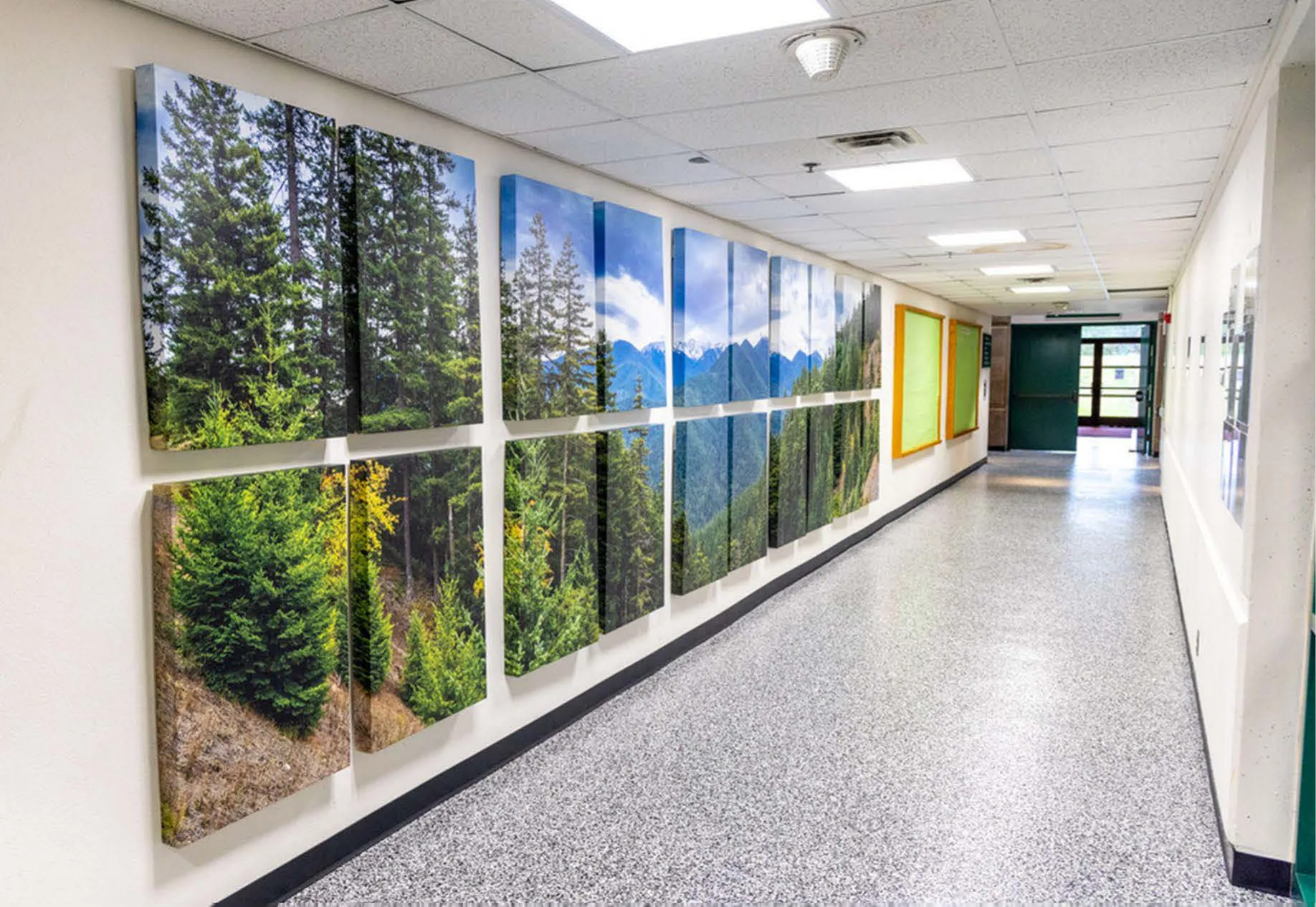
A 110 megapixel panorama of Olympic National Park, on permanent display at the Costantino Recreation Center at The Evergreen State College.

Warped magenta petals unfurling over a guitar pedalboard.

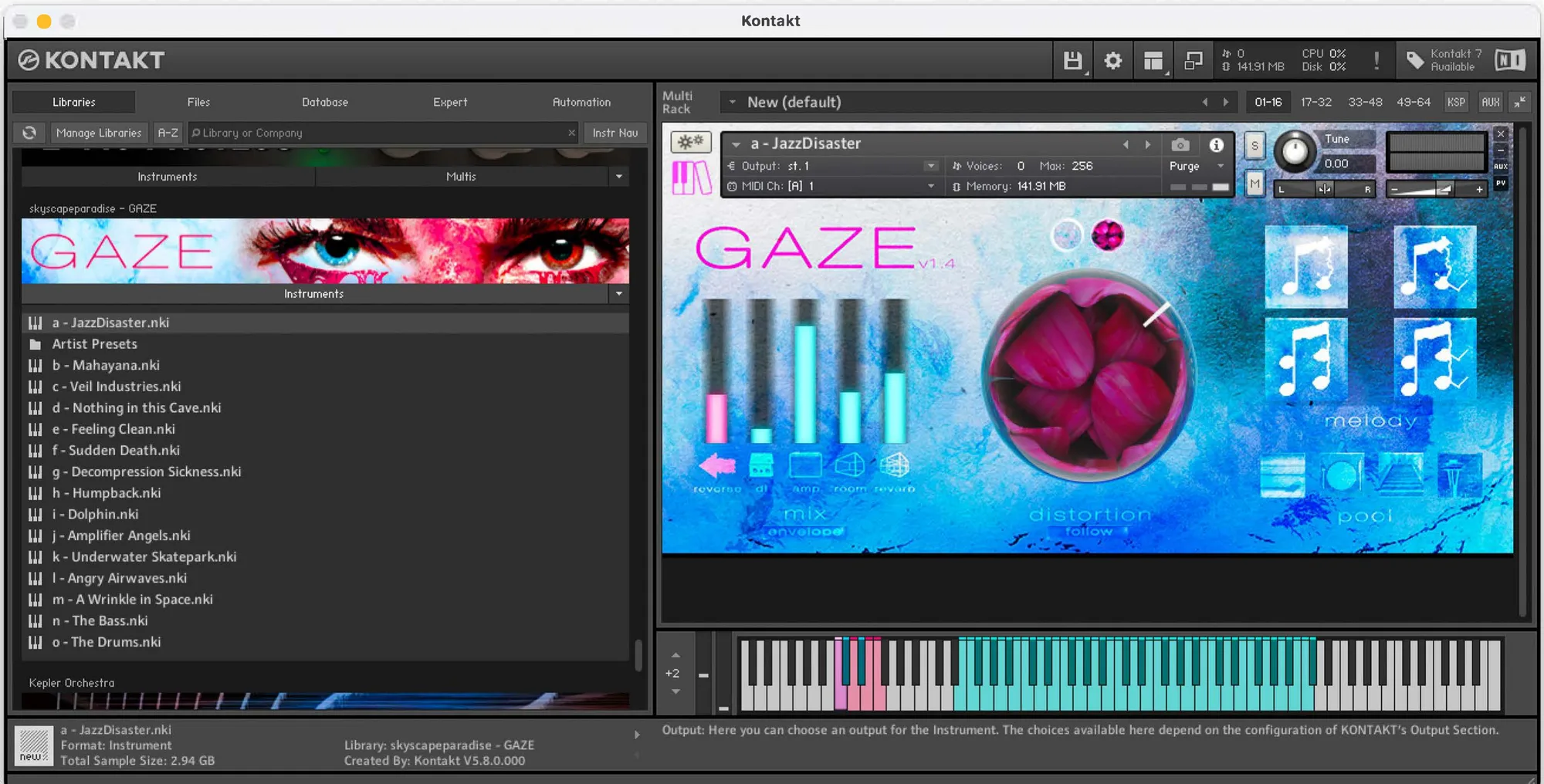
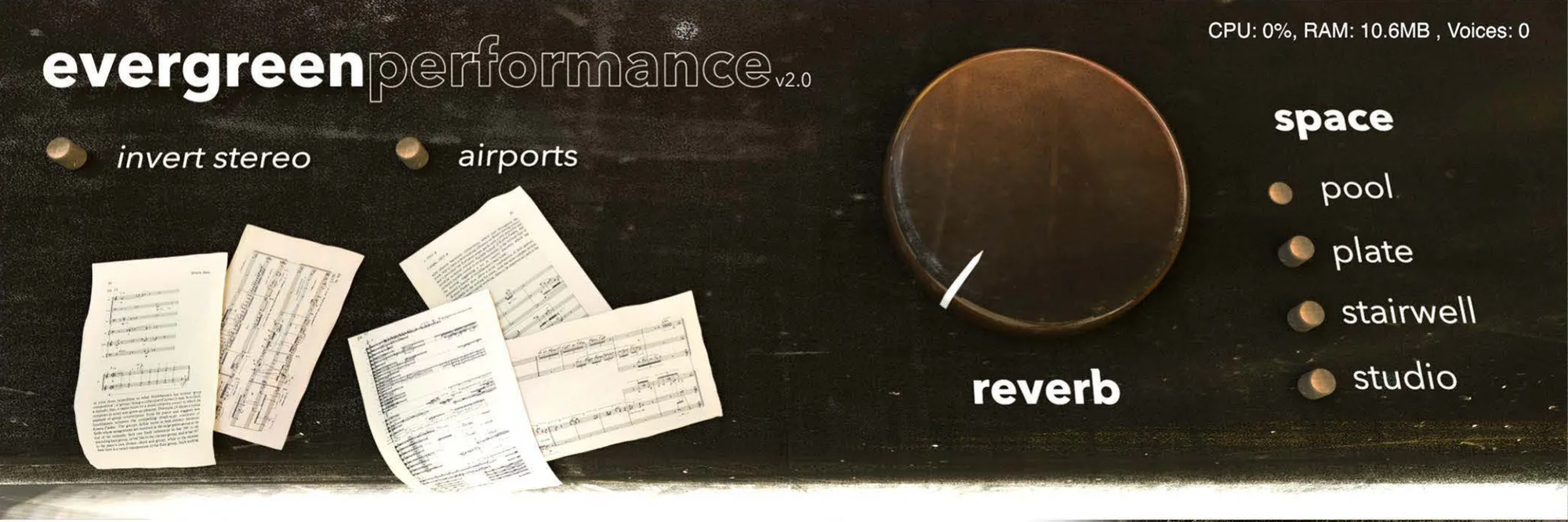
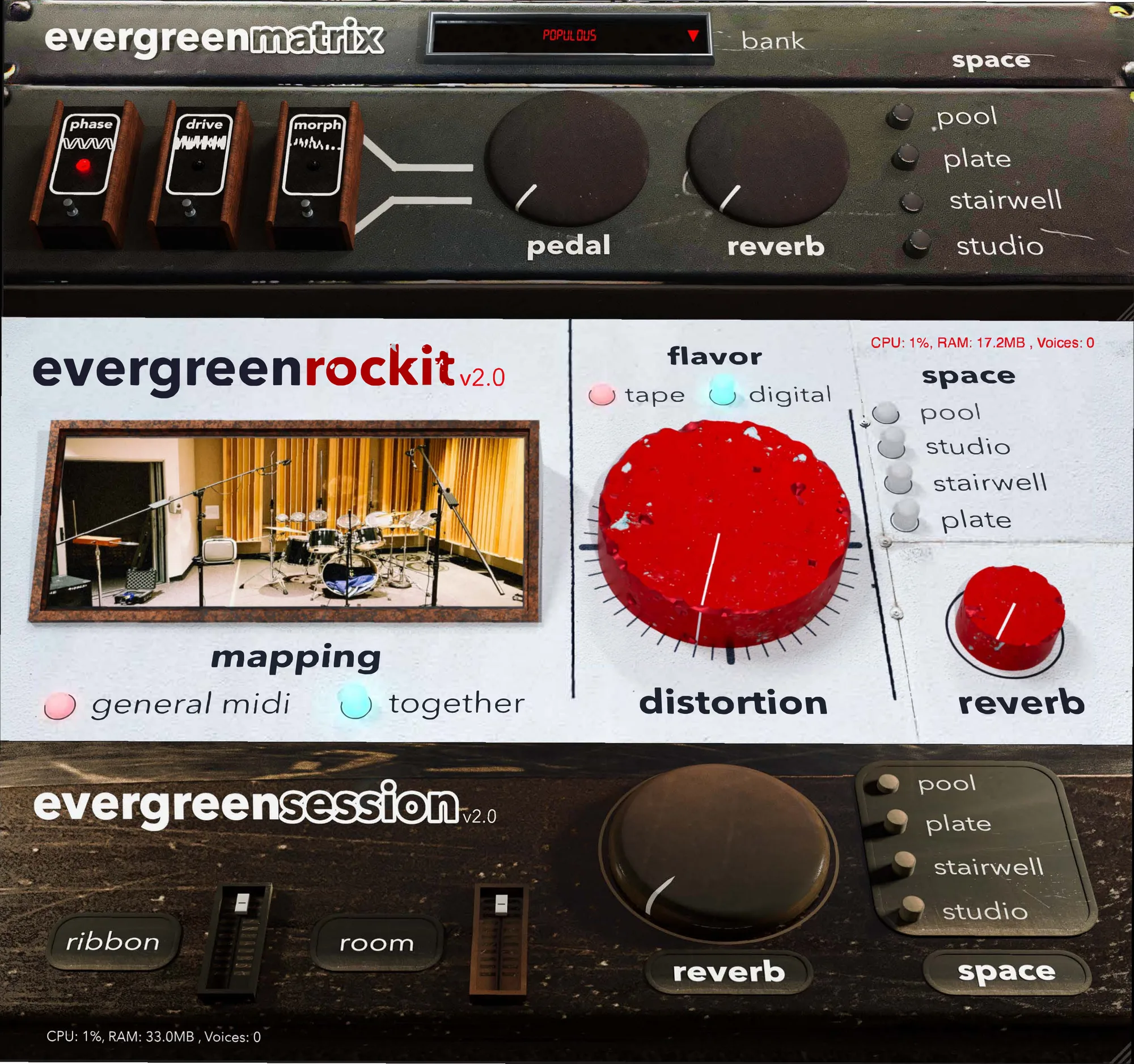
After developing six free virtual instruments for The Evergreen State College, published by Pianobook between 2019 and 2022, I was invited to create GAZE, a new virtual instrument for Spitfire Audio inspired by the shoegaze rock scene in Olympia, Washington. To bring this project to life, I recorded and sampled my own rock instruments and synthesizers, and collaborated with two guitarists, Robin Carmosino from Thin Veil and Max Keena from Jupiter Sprites, at London Bridge Studios in Seattle, Washington.

  1. recording session
  2. samplescomputer graphics
  3. kontakt
  4. virtual instrument
Microphones over an open grand piano in an empty recital hall with pink seats.

The thing that I find most compelling about developing multi-sampled virtual instruments is their uncanny ability to capture a space and an experience outside of time. The time that I had access to the studios and musical instruments during my undergraduate studies was severely limited due to the COVID-19 pandemic. The anxiety of feeling like you have to make every second count when starting a recording session became so overwhelming that I focused on capturing recordings of every note and velocity of the instruments I was given access to instead of capturing recordings of musical compositions in the studio.

While this process is an inherently tedious one, it allowed me to compose and record arbitrary compositions via MIDI on my own time in my home studio. By sharing these instruments with the world online from 2019 to 2022, thousands of musicians were able to create compositions with Evergreen's instruments and studios as well.

Kady, a selfie from above, sitting on white sheets in a blue marbled top.

I'm Kady Alice Richardson, a multimedia designer in the Pacific Northwest. I make virtual instruments, music videos, computer graphics and immersive spaces, usually all at once. BA, The Evergreen State College.